
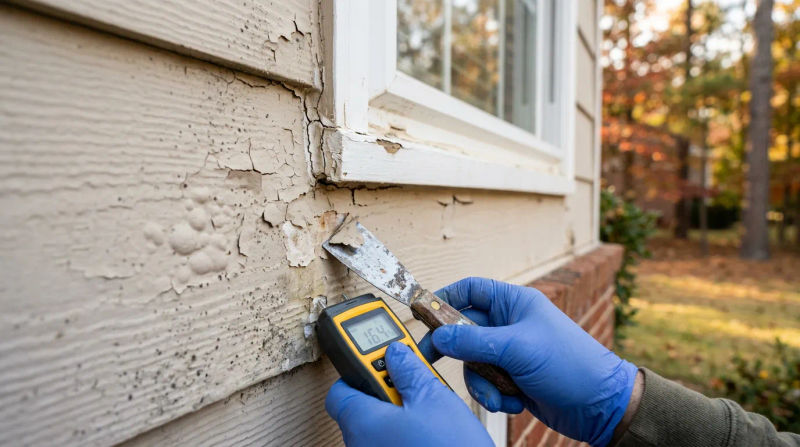
As the crisp October air settles into Anderson, many of us are spending more time outside enjoying the cooler weather. It’s the perfect season for yard work and taking a closer look at our home’s exterior before winter arrives. You might be tidying up the garden beds when you lean against the siding and notice a chalky powder on your hand, or perhaps you spot a few bubbles or cracks in the paint that weren’t there last spring. These small details are often the first warnings of a larger issue: your exterior paint is beginning to fail, leaving your home’s structure vulnerable.
From my 12 years as a coatings specialist, I’ve seen firsthand how the South Carolina climate - with its intense sun and high humidity - can accelerate this process. Understanding the early warning signs can help you address problems before they become costly repairs. This fall is an ideal time to conduct a thorough inspection.
Common Signs and Symptoms
A proper paint job is your home's first line of defense against the elements. When that defense weakens, it shows. Here are the most common signs of exterior paint failure our technicians encounter in the field.
- Cracking, Flaking, or Peeling Paint: This is one of the most unmistakable peeling paint signs Anderson SC homeowners will see. You might notice small hairline cracks, larger “alligatoring” patterns that resemble reptile skin, or outright flakes of paint detaching from the surface. This exposes the underlying wood or siding to moisture, which is the start of much bigger problems.
- Blistering or Bubbling: Paint blisters are pockets of moisture or air trapped beneath the paint film. In our region, this is frequently a case of blistering paint from humidity. Moisture from inside the wall or from the humid air itself gets behind the paint. When the sun heats the siding, that trapped moisture turns to vapor and pushes the paint outward, creating a bubble. If you pop one, it will likely be wet inside.
- Chalking Residue: Have you ever run your hand across your siding and come away with a powdery film? This is known as chalking. It’s a common sign of chalking paint on siding and indicates that the paint’s binder is breaking down due to prolonged exposure to UV radiation. While a minor amount of chalking is normal as paint ages, heavy or rapid chalking means the paint is no longer providing adequate protection.
- Fading and Discoloration: The intense sun on south- and west-facing walls can break down the pigments in your paint, causing significant fading. If your home’s color looks dull, washed-out, or uneven from one side to the other, it’s a sign that UV rays have compromised the paint’s integrity.
- Mold, Mildew, or Algae: Dark stains, specks, or greenish growth, especially on shaded, north-facing walls or under eaves, points to moisture problems. While these organisms grow on the surface of the paint, they thrive in damp conditions that also promote paint failure and can hint at underlying water issues.
- Cracked Caulk or Gaps: The flexible sealant around your windows, doors, and corner trim is just as important as the paint itself. Over time, caulk becomes brittle, shrinks, and cracks. These gaps become superhighways for water to penetrate behind your siding and trim, leading to peeling paint and, eventually, wood rot.
- Wood Rot and Soft Spots: This is a more advanced symptom. On homes with wood siding or trim, particularly the classic post-war ranch homes from the 1950s common in Anderson, failing paint can lead to rot. Gently press on window sills, door trim, and fascia boards with a screwdriver. If the wood feels soft or spongy, the damage has already begun.
What Causes This Problem
Understanding why paint fails can help you address the root cause, not just the symptom. Most failures can be traced back to one or more of these culprits.
Moisture: This is the number one enemy of exterior paint. Water can come from humidity, rain, sprinkler systems, or even from inside the house (like a bathroom without a proper vent). It gets behind the paint through cracks and gaps, causing blistering and peeling as it tries to escape.
Sun and UV Exposure: South Carolina's strong sun relentlessly beats down on your home. UV radiation breaks down the chemical bonds in paint, causing it to lose its flexibility, fade in color, and turn to a chalky powder. This is why high-quality, UV-resistant paint is so crucial in our area.
Poor Surface Preparation: A paint job is only as good as the surface beneath it. In my experience, most premature paint failures are due to improper prep work. If the surface wasn't thoroughly cleaned of dirt and mildew, if old, loose paint wasn't scraped and sanded, or if the correct primer wasn't used, the new coat of paint simply won't form a strong bond. Our crews know that preparation is 80% of the job.
Age and Paint Quality: Every paint has a finite lifespan. Eventually, even the best products will wear out. Using a lower-grade paint to save money upfront often leads to a much shorter life cycle, resulting in chalking, fading, and peeling years earlier than a premium coating would.
Structural or Temperature Changes: Wood expands and contracts with temperature and humidity changes. This movement puts stress on the paint film. If the paint has become old and brittle, it can’t stretch with the wood and will crack, creating an entry point for moisture.
When to Call a Professional
Some small paint issues can be tackled by a handy homeowner, but many signs of failure point to a need for professional intervention.
Consider a DIY approach for:
- Cleaning a small, isolated spot of mildew.
- Touching up a very minor scratch or chip in the paint where the underlying surface is still sealed.
- Re-caulking a single window that has minor cracks in the sealant.
It's time to call an experienced professional when you see:
- Widespread Issues: If you're seeing peeling, blistering, or heavy chalking on more than one or two small areas, it indicates a systemic problem that a simple touch-up won't fix.
- Signs of Rot or Moisture Damage: Soft wood or extensive blistering requires an expert diagnosis to ensure the underlying structural issue is repaired before any painting begins.
- Work at Heights: Painting second stories, gables, or complex rooflines requires specialized safety equipment and training. It's not worth the risk of a serious fall.
- Potential for Lead Paint: For homes built before 1978, including many of the 1950s-era properties in Anderson, there is a high probability of lead-based paint. Professionals are trained in lead-safe work practices to contain hazardous dust and protect your family.
- You Want a Lasting Result: A professional team has the standardized processes, tools, and expertise to handle the extensive prep work required for a durable, beautiful finish that will protect your home for years to come.
Conclusion
Your home's exterior paint is more than just curb appeal; it's a critical protective barrier. Signs like peeling, blistering, and chalking are your home’s way of telling you that this barrier has been breached. Addressing these issues early, especially during the favorable dry weather of fall, can prevent moisture from causing more severe and expensive damage during the winter months.
Take a walk around your property and look closely for these warning signs. Being proactive is the best way to protect your investment and keep your home safe and sound.
If you notice any of these signs, contact a local Handyman professional for an inspection.